
Families Don't Need More Time‚ They Need Time That Looks Different
Families often need not more hours together but differently shaped time with full presence‚ focused attention and calmer transitions.
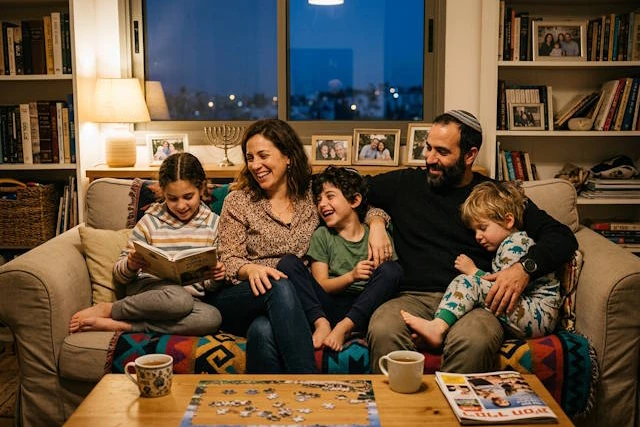
When family members take a close look at the moments that stay in memory for years‚ it turns out that they are usually not necessarily long vacations‚ big expenses or especially free days. Very often the most meaningful moments come from simple‚ repeated‚ inexpensive and undramatic activities that were done in a way that created attention‚ listening and a real shared space. The meaning of family time is not measured only by how long people spend together but by the level of presence within it‚ by how much people feel listened to and by the sense of security the time together provides. When family time changes shape‚ even without any real increase in hours‚ it starts to create a completely different experience. That is how an important insight forms: sometimes a family does not need more time but time that is organized‚ lived and felt differently.
The Structure of Family Time Sets Its Quality
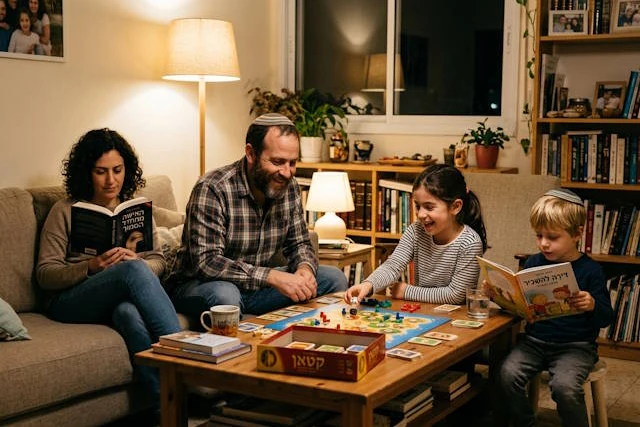
Family time that has no framework at all tends to dissolve into the background noise of the home‚ the phones‚ the TV and the small tasks that creep into every corner of the day. When family time has no clear shape‚ people can be together physically yet stay apart emotionally‚ mentally and in their attention‚ without meaning to at all. When shared time gets clear boundaries‚ however‚ even very simple ones‚ it takes on the feel of a small event that sets it apart from the usual routine and lets the participants enter it differently. Not every evening has to become a big ceremony‚ but it matters enormously that family members feel there is a certain moment in the day meant for truly being together. That structure creates security‚ anticipation and ease‚ and it makes even a short time feel more valuable.
Full Presence Matters More Than Length
One of the most common mistakes in looking at family life is assuming that the more hours family members spend side by side‚ the deeper their bond and closeness will necessarily become. In practice‚ a long stretch of time in which everyone is absorbed in a different screen‚ a different thought or a different kind of tiredness does not necessarily create a meaningful sense of togetherness or a strengthening family memory. Twenty minutes of full presence without needless distractions‚ on the other hand‚ can create a stronger sense of connection than a whole evening in which everyone is next to the others but never really meets them. Full presence does not require perfection or a deep conversation every time‚ but mainly basic emotional availability and attention to the shared moment. When such a moment happens consistently‚ even relatively limited time begins to build real family resilience.
How Attention Is Shared Changes the Mood at Home
It is not only the time itself that matters but also how attention is shared during family time. In a home where every conversation is interrupted again and again by tasks‚ messages‚ tiredness or the need to respond to one more small thing‚ the time together feels like just another layer of pressure rather than a space for closeness. When family members feel that attention is constantly split‚ even kind words and pleasant gestures fail to sink in deeply enough. When there is even a short window in which attention is focused on being together‚ however‚ the conversation becomes calmer‚ the tone softer and the home feels safer and more pleasant for everyone. Deliberately sharing attention is not a magic solution‚ but it really does change the family's everyday experience.
The Quality of Transitions Between Parts of the Day Matters
Much family tension does not come from a big event but from the small transitions between stages of the day‚ which are often abrupt‚ tired and too fast. The move from work to home‚ from school to the afternoon‚ from screens to dinner or from activities to bedtime creates especially sensitive moments in which the overall atmosphere can settle or unravel quickly. When these transitions happen without any softening‚ everyone arrives at family time carrying leftover pressure‚ inner noise or resistance. When there is a clear transition moment‚ even a short one‚ that marks a change of pace‚ the home itself starts to feel less stressed and more balanced. Time that looks different often starts in exactly these transitions and not only at the heart of family time itself.
Aligning Expectations Reduces Daily Friction
Sometimes families feel they need more time together when what is actually missing is basic clarity about what is supposed to happen in the time they already have. When family members do not know what the evening will look like‚ who is free‚ when dinner is‚ when everyone sits down together and what counts as family time versus personal time‚ a sense of disorder forms that wastes a great deal of emotional energy. That kind of uncertainty creates small disappointments‚ needless clashes and a feeling that there is no stable place within the routine. Simple‚ consistent and undramatic coordination‚ on the other hand‚ lets everyone understand what to expect and move through the evening more calmly. When expectations are clear‚ shared time itself feels less pressured and more pleasant.
A Regular Meeting Point Builds Emotional Security
Families are not built only from big moments but mainly from a series of small meetings that repeat again and again and create a sense of stability. When the home has a relatively fixed meeting point‚ even a short and simple one‚ family members begin to feel that something is holding the day together. That anchor does not have to be a full meal‚ an elaborate activity or a planned conversation‚ but simply a known moment when everyone meets without needless pressure. Knowing this moment exists makes even busy days easier‚ because it keeps emotional continuity between family members. That way‚ family time becomes more calming without actually getting longer.
A Smart Routine Beats a One-Time Effort
There is a tendency to think that the solution to a family difficulty has to be a big change‚ a family vacation‚ a special day off or an especially elaborate evening. In practice‚ one-time efforts can be very enjoyable‚ but they do not always change how the home feels on an ordinary day. Real change usually comes through a slightly smarter routine‚ one that knows how to create small moments of connection steadily and without drama. When a family stops looking only for "big" time and starts reshaping the time it already has‚ a deeper change in the quality of home life follows. It turns out that time that looks different is sometimes worth far more than time that simply lasts longer.
In Summary
Many families do not necessarily need more hours in the calendar but a different way of organizing the time they already have every day. When family time gets a clear structure‚ full presence‚ well-shared attention and calmer transitions‚ it starts to create real closeness even without growing in minutes. The meaningful change is not always in quantity but in the shape‚ quality and feeling that forms during the time together. That way‚ the home starts to feel more connected‚ more stable and more pleasant for a shared life.