
The Small Mistake That Can Break the Rhythm of Your Whole Event
Even a small slip in timing‚ transitions or coordination can break an event's rhythm and leave guests feeling disconnected from the experience.
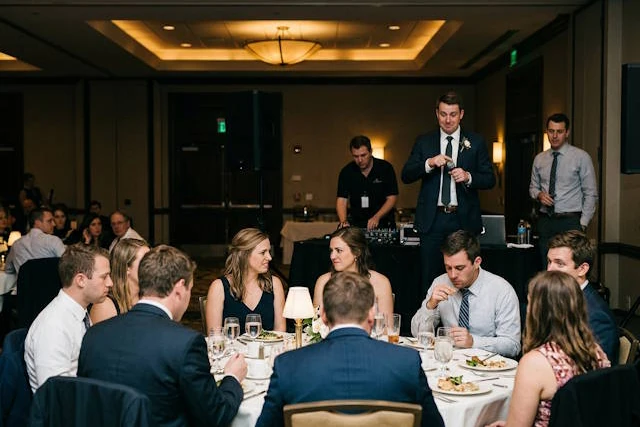
When an event runs smoothly‚ guests are hardly aware of the move from one part of the evening to the next. They simply keep chatting‚ enjoying the music or taking part in the activities going on around them. When there is a delay‚ a long break or an unexpected change‚ however‚ the sense of natural flow is disrupted. Guests start to feel that something is not happening at the right pace. That is how a momentary sense of disconnection from the experience forms.
Imprecise Timing of Different Parts of the Event
When different activities during the event are not timed properly‚ guests may experience long waits or sudden overload. Waiting too long creates discomfort‚ while too fast a sequence of activities can feel exhausting. Good timing lets people enjoy each part on its own. When the timing is off‚ the overall pace suffers.
Abrupt Transitions Between Different Parts
Events often include different parts such as a reception‚ a meal‚ a performance or a social activity. When the transition between these parts happens too abruptly‚ guests may feel confused or unprepared for the change. A gradual transition lets people adjust to the new situation. That way‚ a sense of continuity is maintained.
Unplanned Moments of Waiting
Unexpected delays can create moments when guests do not know what is going to happen next. In situations like these‚ people start looking for something else to do or lose interest in what is happening around them. Moments like these break the natural rhythm of the event. When they drag on‚ the overall experience suffers.
Too Much Information or Too Many Activities
Sometimes the wish to create an event packed with activities leads to an overload that makes it hard for guests to truly enjoy every moment. When too much happens in a short time‚ people struggle to keep track of everything. It feels like overload instead of flow. That way‚ the pace becomes less pleasant.
A Mismatch Between Guests and Activity
When the planned activity does not suit the character of the guests‚ a sense of distance or lack of involvement sets in. Guests do not feel part of what is happening and so they take part less. Low engagement affects the overall pace of the event. That way‚ it feels as if the energy has dropped.
An Unexpected Change in the Program
Changes to the event program can happen for various reasons‚ but when they are not explained or do not fit in naturally‚ they may confuse guests. People need a certain sequence to feel part of the experience. When the sequence breaks‚ the overall experience suffers. That way‚ the pace becomes less steady.
Coordination Between Different Parties
An event often involves several parties such as staff‚ suppliers and the people leading different parts of the evening. When coordination between them is not perfect‚ moments of being out of sync can occur. Situations like these affect the overall pace of the event. Good coordination allows a more natural flow.
In Summary
A successful event depends to a large extent on the pace and natural flow of what happens throughout the evening. Even a relatively small mistake can break the rhythm and make guests feel uncomfortable. When you pay attention to the small details and plan the transitions more precisely‚ you can keep the experience pleasant and seamless.