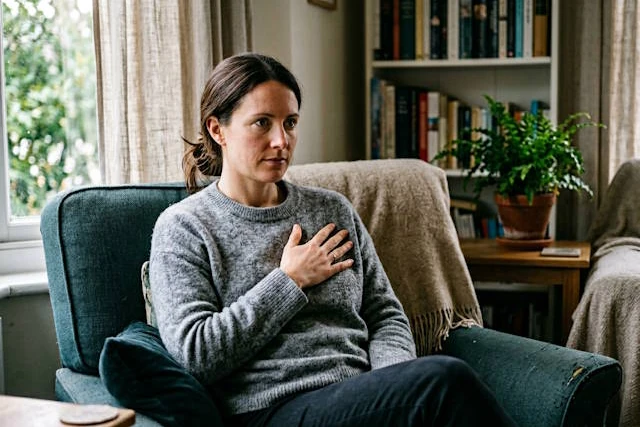

The Surprising Link Between Shallow Breathing and Stress That Won't Let Go
When breathing stays shallow for a long time‚ the nervous system remains on alert and tension lingers even after the cause of stress is gone.
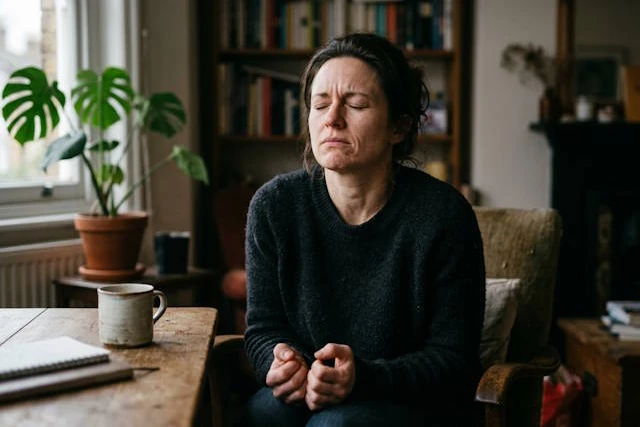
When breathing stays shallow for a long time‚ the body finds it hard to shift into a calmer state. The nervous system keeps working as if the body is in a state of constant alertness. This affects how the muscles feel‚ the heart rate and even concentration during the day. Sometimes people try to deal with the feeling of stress in different ways without realizing that its source is also related to their breathing pattern. Understanding the connection between breathing and a sense of calm can change the way the body experiences stress.
Breathing That Affects the Nervous System
The nervous system responds directly to the way breathing happens throughout the day. When breathing is deeper and slower‚ the body receives a signal that the situation is relatively calm and there is no need for high alertness. In contrast‚ fast and shallow breathing creates the opposite response and heightens the feeling of stress. This response happens even when the reason for the pressure no longer exists. This way breathing itself affects the state of the body.
Breathing Habits That Form During Busy Periods
During busy periods at work or in studies‚ people tend to adopt faster breathing patterns. The body gets used to breathing shallowly because it is often in a state of focus and pressure. Even after the busy period ends‚ the breathing pattern may remain. This causes the feeling of stress to last longer than necessary. This creates a sense of ongoing overload.
Physical Reactions Caused by Breathing That Isn't Deep
When breathing is not deep enough‚ the body receives less oxygen with each breath. This may affect energy levels and concentration during the day. Sometimes a feeling of pressure in the chest or tension in the neck and shoulder muscles also appears. These sensations are not always immediately linked to breathing itself. In fact‚ however‚ they are connected to the breathing pattern that has formed.
Breathing Awareness as Part of Coping with Stress
When people start paying attention to the way they breathe during the day‚ they sometimes discover that their breathing becomes especially shallow in certain situations. Such awareness makes it possible to identify moments when the body enters a state of alertness. Instead of continuing in the same pattern‚ you can stop for a moment and observe your breathing. This creates an opportunity to change the pattern.
A Sense of Calm Built by Changing Habits
When breathing patterns change gradually and become calmer and deeper‚ the body responds accordingly. The nervous system receives a signal that the situation does not require high alertness. Over time the general feeling of stress may also weaken. This way a small change in habits can affect how you feel day to day.
In Summary
Shallow breathing may be one of the less familiar causes of an ongoing feeling of stress. When the body gets used to such a pattern‚ the nervous system stays on alert even when there is no need for it. Awareness of how you breathe can help you understand the source of the feeling and gradually change the pattern. This way breathing becomes an important tool for creating a sense of calm.